

What Is Nervous System Regulation? Understanding the Trend Without the Hype
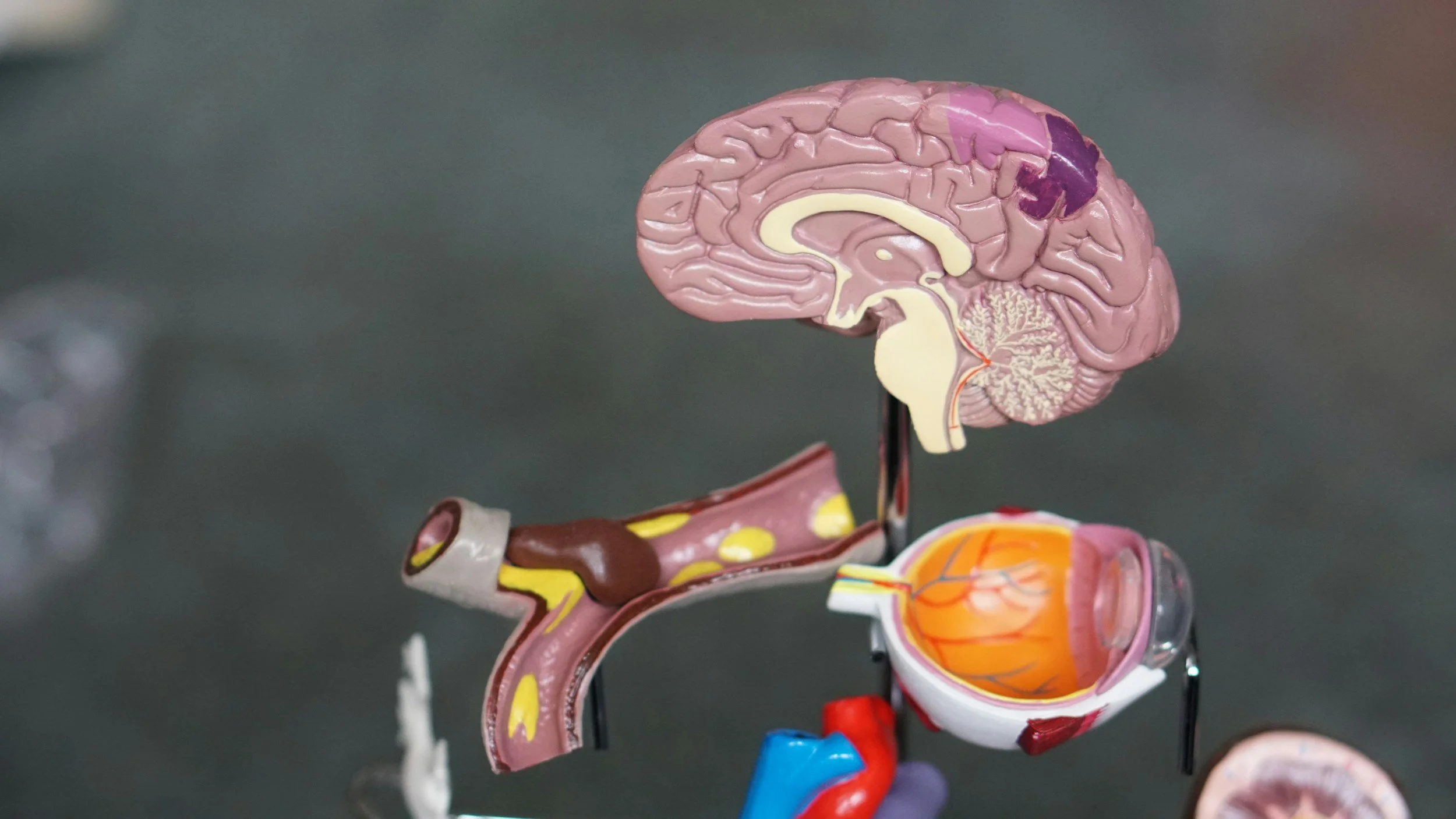
If you spend a lot of time online, you have probably heard someone tell you to “regulate your nervous system.” You may also have heard phrases like nervous system dysregulation, fight-or-flight, freeze response, vagus nerve reset, or nervous system healing. Videos promise that a breathing exercise, cold shower, stretch, supplement, or thirty-second technique can “reset” your body and finally make you feel calm.
There is something real underneath the trend — your nervous system plays an important role in how your body responds to stress, threat, rest, and safety. But some of the language surrounding nervous system regulation has become oversimplified. Understanding what nervous system regulation actually means can help you separate useful tools from wellness hype and recognize when self-help techniques may help and when working with a counselor may provide deeper support.
What Is Nervous System Regulation?
Your nervous system constantly receives information from both inside and outside your body and helps you respond to what is happening around you. Part of this process involves the autonomic nervous system, which helps regulate functions that happen largely without conscious effort, including heart rate, breathing, digestion, and aspects of the body's stress response. When your brain and body perceive stress or danger, your system can mobilize resources to respond. Your heart may beat faster. Your breathing may change. Your muscles may tense. You may become more alert and focused on potential threats.
Those reactions are not automatically unhealthy. They are part of the body's normal ability to protect and prepare you. Nervous system regulation does not mean remaining calm all the time. A regulated nervous system is better understood as one that responds appropriately to changing circumstances and then moves toward recovery when the stressor passes. You can become nervous before an important conversation, energized during exercise, startled by a loud noise, or deeply sad after a loss without necessarily being “dysregulated.”
The goal is flexibility—not permanent calm.
What Does Nervous System Dysregulation Mean?
“Nervous system dysregulation” is commonly used to describe difficulty shifting out of states of heightened activation, shutdown, or overwhelm. Someone experiencing ongoing stress might describe feeling:
Constantly on edge
Easily startled
Restless or unable to relax
Emotionally overwhelmed
Irritable
Disconnected or numb
Exhausted but unable to slow down
Unable to concentrate
Tense throughout the body
Stuck in repetitive worry
Uncomfortable when things finally become quiet
These experiences may occur with anxiety, trauma, chronic stress, depression, sleep problems, difficult life circumstances, or other mental and physical health concerns. However, nervous system dysregulation is not itself a specific mental health diagnosis. Physical symptoms such as dizziness, racing heart, fatigue, digestive changes, pain, or shortness of breath can also have medical causes. New, severe, or persistent symptoms should not automatically be attributed to anxiety or nervous system dysregulation without appropriate medical evaluation.
Regulation Is Not the Same as Relaxation
One of the biggest misconceptions about nervous system regulation is that being regulated means feeling relaxed. Sometimes regulation involves becoming calmer, whereas other times, healthy regulation means having enough energy to act. You may need your nervous system to become more activated to speak up in a difficult conversation, concentrate on an important task, exercise, protect a boundary, or respond quickly to a real emergency.
The question is not simply, “Am I calm?”
A better question may be: “Can I respond to what is happening without becoming completely overwhelmed, and can my body eventually recover afterward?”
That is a much more realistic understanding of regulation.
Can Your Nervous System Really Get “Stuck in Fight or Flight”?
The phrase “stuck in fight or flight” is not always used precisely online, but it describes something many people genuinely experience. Long periods of stress can leave you feeling persistently vigilant, tense, reactive, or exhausted. Someone who has experienced trauma may become especially sensitive to situations that remind the brain and body of previous danger. The stress response that once helped you cope may begin showing up in situations where it is no longer as helpful. For example, your body may react to criticism from a supervisor as though something much larger is at stake. A disagreement with your spouse may create an immediate urge to attack, escape, shut down, or disconnect. A crowded room may make you feel unsafe even when you logically know you are not in danger. Those responses can feel frustrating because you can't always control them by simply telling yourself to “calm down.”
That is one reason therapy can be helpful.
Misconceptions to Reconsider
You Need to “Reset” Your Nervous System
The idea of a nervous system “reset” is popular because it sounds simple: do the right breathing technique, stimulate the vagus nerve, shake for thirty seconds, take a cold shower, hum, stretch, buy the right supplement. Then your nervous system supposedly returns to factory settings. Human physiology is more complicated than that. Certain activities can influence arousal, attention, breathing, muscle tension, and stress, and those tools may help you feel more grounded or settled in the moment. But no single exercise permanently resets the nervous system. Stress regulation is usually something we practice repeatedly, not something we accomplish once.
Every Uncomfortable Feeling Is Dysregulation
Another unintended effect of nervous-system language is that ordinary emotions can start to sound pathological. Anxiety before something important is not necessarily dysfunction, grief after loss is not necessarily dysregulation, and anger at something unjust is not necessarily evidence that your nervous system needs fixing. Emotions provide information. Part of emotional health is learning to experience feelings without assuming every uncomfortable sensation needs to disappear immediately. Good regulation gives us greater capacity to experience emotions—not freedom from having them.
Every Nervous System Response Comes From Trauma
Trauma can absolutely influence how someone responds to perceived danger, relationships, stress, and physical sensations, but not every stress response indicates hidden trauma. Sleep deprivation, work pressure, family conflict, illness, grief, major transitions, financial stress, anxiety disorders, depression, substance use, medication effects, and many other circumstances can affect how someone feels physically and emotionally. A trauma-informed therapist can take trauma seriously without assuming that trauma explains everything.
How Can Nervous System Regulation Help?
Learning regulation skills can give you more options when stress starts to rise. Instead of immediately reacting, avoiding, shutting down, or becoming overwhelmed, you may gradually develop greater ability to notice what is happening and choose your response. That can support:
Anxiety management
Emotional awareness
Stress recovery
Improved sleep routines
Greater tolerance for uncomfortable emotions
Healthier communication
Trauma recovery
More effective coping
Improved ability to remain present during difficult situations
The goal is not to become impossible to upset; it is to increase your ability to move through difficult experiences without feeling controlled by them.
Where Does Therapy Fit?
Nervous system regulation techniques can be helpful on your own, but techniques are not always enough. If your body repeatedly reacts strongly to certain situations, a therapist can help you explore why those patterns are occurring, not only how to suppress them in the moment. Therapy may help you:
Recognize triggers and patterns
Understand the relationship between thoughts, emotions, behaviors, and physical reactions
Learn grounding and relaxation skills
Develop healthier coping strategies
Work through chronic stress
Address anxiety or depression
Process traumatic experiences
Build greater tolerance for difficult emotions
Develop healthier boundaries and relationships
For some people, trauma-focused approaches such as EMDR may also be appropriate. Rather than giving you one universal “nervous system hack,” therapy lets us personalize these strategies to your history, circumstances, symptoms, and goals.
Trauma-Informed Counseling at Rise
At Rise Counseling Treasure Coast, trauma-informed care is part of how we approach counseling. That does not mean assuming everyone who walks through our doors has experienced trauma. It means recognizing that experiences affect people emotionally, cognitively, relationally, and physically—and creating counseling that respects your pace and goals. Our counselors work with concerns including anxiety, depression, trauma, stress, relationships, and major life transitions. Depending on your needs, counseling may include practical coping strategies, grounding techniques, exploring thought and behavior patterns, trauma processing, EMDR, or simply creating a safe place to understand what has been happening.
You Do Not Need to Be Calm All the Time
Perhaps one of the healthiest corrections to the nervous-system trend is this: you are not supposed to feel calm all the time. Your nervous system was designed to respond. Healthy regulation means developing greater flexibility—the ability to become activated when life requires it, rest when you have opportunity, experience emotions without immediately fearing them, and recover after stress. A breathing exercise, walk, or talk therapy may help.
If anxiety, trauma, chronic stress, or emotional overwhelm is affecting your daily life, Rise Counseling offers individual and trauma-informed counseling in Port St. Lucie and throughout the Treasure Coast, with both in-person and teletherapy options available. You do not have to perfectly understand your nervous system before asking for support. Sometimes counseling begins simply by paying attention to what your mind and body have been trying to tell you.