

Therapy for First Responders: Healing Trauma, Supporting Resilience, and Restoring Well-Being
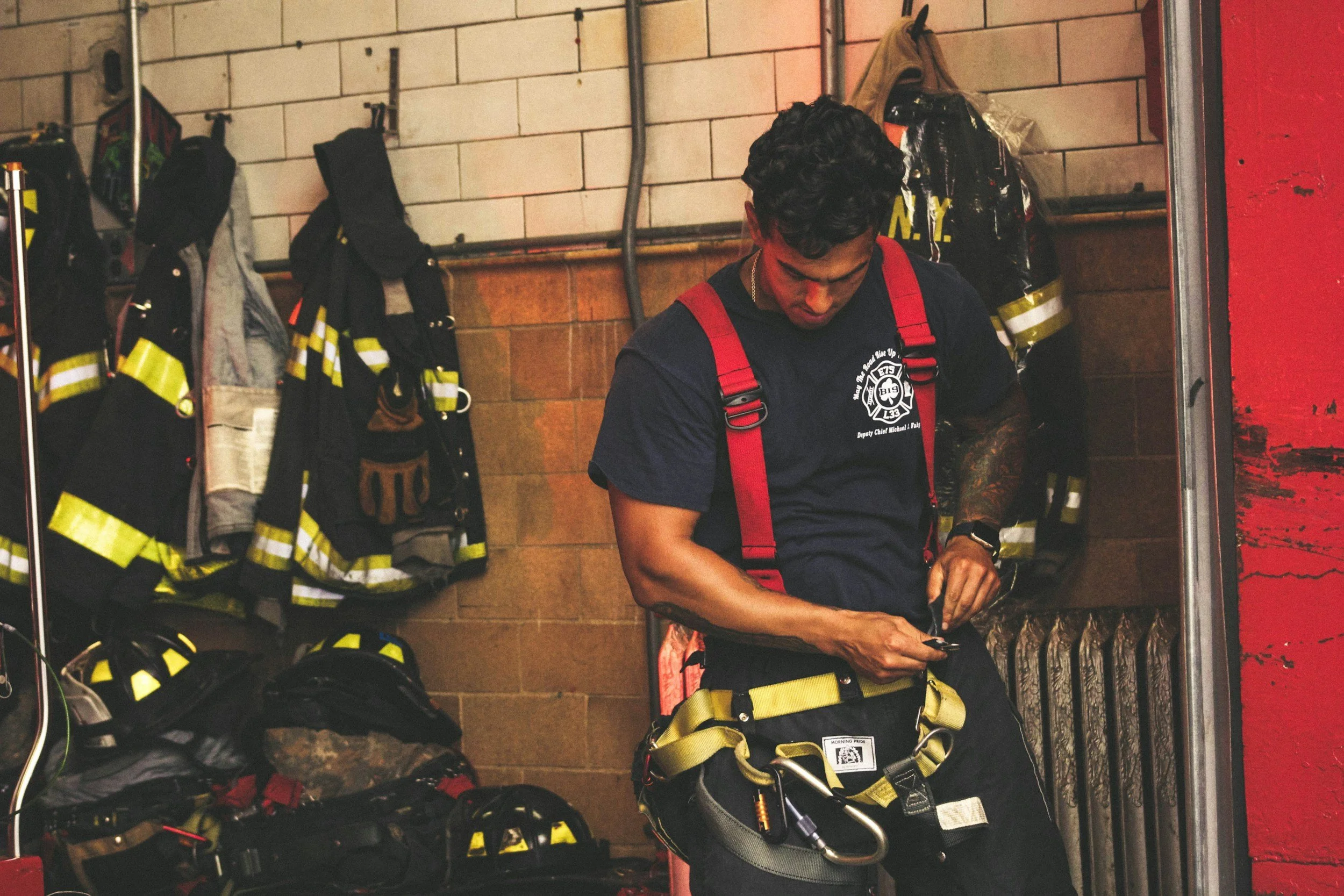
Every day, firefighters, paramedics, police officers, EMTs, dispatchers, and other first responders run toward the moments others flee. They witness intense human suffering, life-and-death situations, and cumulative stress that most people will never experience. It’s no surprise that the psychological weight of this work can become overwhelming — even for the strongest among us.
At Rise Counseling, we believe that caring for those who care for others is not just valuable — it’s essential. This post explores why therapy for first responders matters, what sets it apart from general counseling, and how trauma-informed care can foster lasting healing and resilience.
Why First Responders Need Specialized Therapy
First responders face a unique blend of stressors:
1. Repeated Trauma Exposure
Unlike most people who may experience a few traumatic events in a lifetime, first responders witness distressing, life-altering scenes again and again. This accumulation of trauma — often referred to as operational stress or critical incidents — can gradually erode mental health.
2. Emotional Suppression as a Coping Strategy
The culture of emergency services often emphasizes toughness, self-reliance, and emotional restraint. While these traits can be lifesaving on the job, they can also discourage vulnerability and make seeking support feel like a sign of weakness rather than strength.
3. Moral Injury and Cumulative Stress
First responders often face situations where there is no clear “right” answer — failing to save someone despite heroic effort, witnessing suffering despite best practices, or feeling unseen by leadership. These experiences can lead to moral injury, guilt, shame, or a fractured sense of meaning.
4. Impact Beyond the Job
Stress doesn’t stay at the station. It affects relationships, sleep, parenting, career satisfaction, and overall physical health. Without appropriate support, symptoms can snowball into anxiety, depression, PTSD, substance misuse, and burnout.
How Specialized Therapy for First Responders Is Different
Therapy for first responders isn’t simply traditional talk therapy with a badge on the door. Effective care thoughtfully addresses the culture, schedules, and lived experience of frontline professionals.
1. Understanding First Responder Culture
A therapist who genuinely understands the norms, language, and internal expectations of first responders can build trust quickly — and create a space where vulnerability doesn’t equate to weakness.
2. Focus on Cumulative and Operational Trauma
General therapy may address isolated life traumas. Specialized care, however, digs into repeated exposure, compassion fatigue, and stress build-up over time — often with targeted, evidence-based approaches.
3. Flexible and Responsive Treatment Plans
First responders rarely work a 9–5 schedule. Effective therapy adapts — offering flexible appointments, critical incident support, and plans that align with irregular shifts and high-stress periods.
4. Evidence-Based Interventions
Specialized therapy commonly incorporates research-backed modalities proven effective for trauma and PTSD:
Prolonged Exposure (PE): Helps clients safely revisit avoided memories and cues so they lose emotional intensity over time.
Trauma-Focused Cognitive Behavioral Therapy (TF-CBT): Helps restructure unhelpful thoughts and patterns related to trauma responses.
Other Interventions: Including therapies that improve emotional regulation, relational skills, and stress tolerance.
What First Responders Can Expect in Therapy
Therapy for first responders is designed to be safe, confidential, and directly responsive to the stressful realities of frontline work.
Here’s how it can help:
1. Process Trauma in a Safe Space
Instead of avoiding difficult memories or emotions, clients learn how to face them gradually and with support — reducing emotional distress and hypervigilance.
2. Rebuild Emotional Resilience
Healthy coping mechanisms can replace survival strategies that may have become maladaptive over time.
3. Strengthen Relationships
Therapy can mend the emotional distance that stress sometimes creates between first responders and the people they love.
4. Reduce Burnout & Improve Longevity
By addressing stress earlier and more effectively, many professionals find renewed purpose and a greater capacity to continue serving without sacrificing well-being.
Therapy Isn’t a Weakness — It’s a Resource
The bravest step a first responder can take might be asking for help. Just like physical fitness training prepares the body for the demands of the job, emotional and psychological care prepares the mind for the realities of daily service. At Rise Counseling, we see asking for support not as an admission of weakness — but as an act of courage that strengthens both career and life beyond work. If you or a loved one serves as a first responder and you’re curious about how therapy might help, we’re here to walk alongside you with respect, confidentiality, and compassion. Your strength serves others — let therapy serve you. Contact Rise Counseling to explore first responder therapy and begin building resilience that lasts.